



The Ijaw people, one of the oldest ethnic groups in Nigeria, are a proud and resilient people whose culture embodies the richness of African diversity.
Predominantly found in the Niger Delta region, including Delta State, their way of life is deeply connected to the rivers, creeks, and mangroves that define their homeland.
1. A Unique Water-Based Heritage
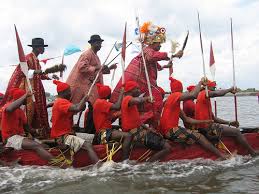
The Ijaw are often called the “water people” because of their deep ties to the rivers and seas. Fishing is not just an occupation but a way of life, with traditional wooden boats and expertly woven fishing nets being central to their daily activities. Their expertise in navigating waterways and harnessing the resources of the rivers is a skill passed down through generations.
2. Rich Traditional Governance
Ijaw communities are known for their organized leadership structures, which include respected elders, chiefs, and kings. The “Pere” (king) plays a vital role in maintaining peace, justice, and cultural continuity. They also have age-grade systems and warrior societies that historically protected their people and upheld traditions.
3. Colorful Festivals and Masquerades
Ijaw festivals are an explosion of dance, music, and spiritual significance. One of the most famous is the Owu-Aru-Sun Festival, a grand display of traditional beliefs, where masquerades represent ancestral spirits and deities. These masked dancers, adorned in vibrant costumes, perform with rhythmic drumbeats that echo through the community, signifying strength, renewal, and unity.
4. The Power of Oral Tradition and Storytelling
Like many African cultures, the Ijaw have preserved their history through oral traditions. Storytelling, folktales, and praise poetry (Ere) are essential parts of their heritage, keeping their values, myths, and history alive across generations. Griots (oral historians) and elders use these stories to educate the younger generation on bravery, leadership, and communal living.
5. Spirituality and Traditional Beliefs
Ijaw spirituality is deeply rooted in reverence for water spirits, ancestors, and the Supreme God (Tamara). They believe in powerful deities such as Egbesu, the god of justice and war, who is invoked in times of conflict. Their religious practices include elaborate ceremonies, sacred shrines, and initiations that connect them to their ancestors and nature.
6. Distinctive Cuisine
Ijaw cuisine is a delight for food lovers. Their traditional dishes, such as Banga soup, Periwinkle soup, Owo soup, and freshly smoked seafood, reflect their environment and resourcefulness. Palm wine, a staple drink, is often shared during celebrations, strengthening communal bonds.
7. Ijaw in the Contemporary World
Despite modernization, the Ijaw people continue to uphold their traditions while excelling in various fields, from politics to entertainment and activism. They have played a crucial role in advocating for environmental justice and the rights of indigenous communities in the Niger Delta.
The Ijaw culture is a living proof of Africa’s vast diversity, resilience, and beauty. Their traditions, arts, and way of life showcase the depth of African identity—one that blends history, nature, and community in a powerful and timeless way.
#ProudlyIjaw #IjawCulture #NigerDeltaHeritage #AfricanDiversity
About the Author