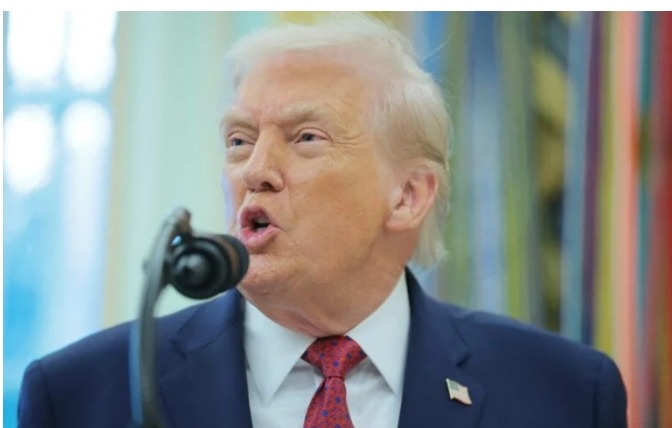
The Democratic Party has filed a lawsuit to block former President Donald Trump’s latest executive order on election procedures, arguing it unlawfully restricts voting rights and undermines the democratic process.
In the lawsuit, filed Monday in a Washington, D.C. federal court, the Democratic National Committee (DNC) contends that Trump’s March 25 order imposes sweeping changes that could disenfranchise eligible U.S. voters. The executive order mandates proof of U.S. citizenship for voters, prohibits states from counting mail-in ballots received after Election Day, and threatens to withhold federal funding from states that fail to comply.
“This Executive Order seeks to impose radical, unlawful changes to how Americans register, vote, and participate in democracy—changes that could suppress lawful voters and violate constitutional rights,” the lawsuit states. Leading Democratic election attorney Marc Elias, along with other lawyers from his firm, are representing the plaintiffs.
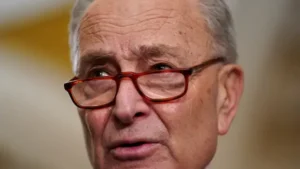
Joining the DNC in the lawsuit are Senate Minority Leader Chuck Schumer and House Minority Leader Hakeem Jeffries, both of whom argue that Trump’s order oversteps presidential authority. They assert that the U.S. Constitution grants the power to regulate federal elections to individual states and Congress—not the president.
“The Framers of our Constitution anticipated that self-serving leaders might attempt to manipulate the democratic system to consolidate their own power. That is precisely what we are witnessing,” the lawsuit argues.
The White House has not yet responded to the lawsuit, though the Trump administration has previously defended the order, claiming it is necessary to prevent foreign interference in U.S. elections. Trump and his allies have long pushed unsubstantiated claims of widespread voter fraud, including allegations of non-citizens casting ballots—claims that remain unproven.
Earlier on Monday, several voting rights organizations, including the Campaign Legal Center and the State Democracy Defenders Fund, filed a separate legal challenge against the executive order, further intensifying the legal battle over voting rights in the U.S.
The outcome of these lawsuits could have significant implications for future elections and voter access nationwide.
About the Author