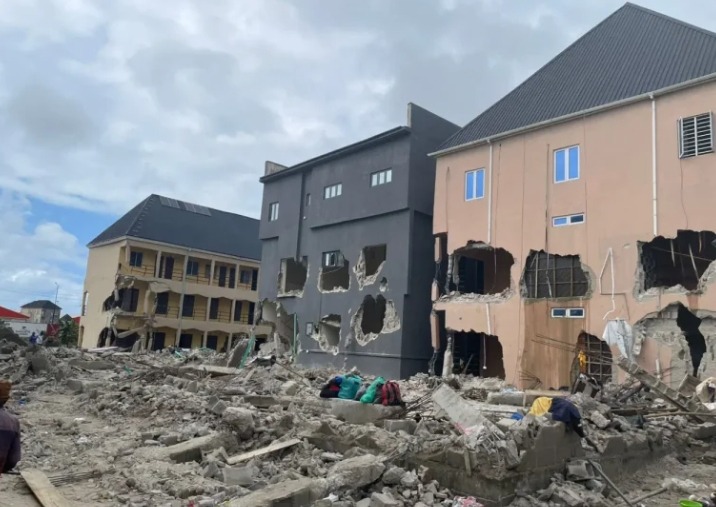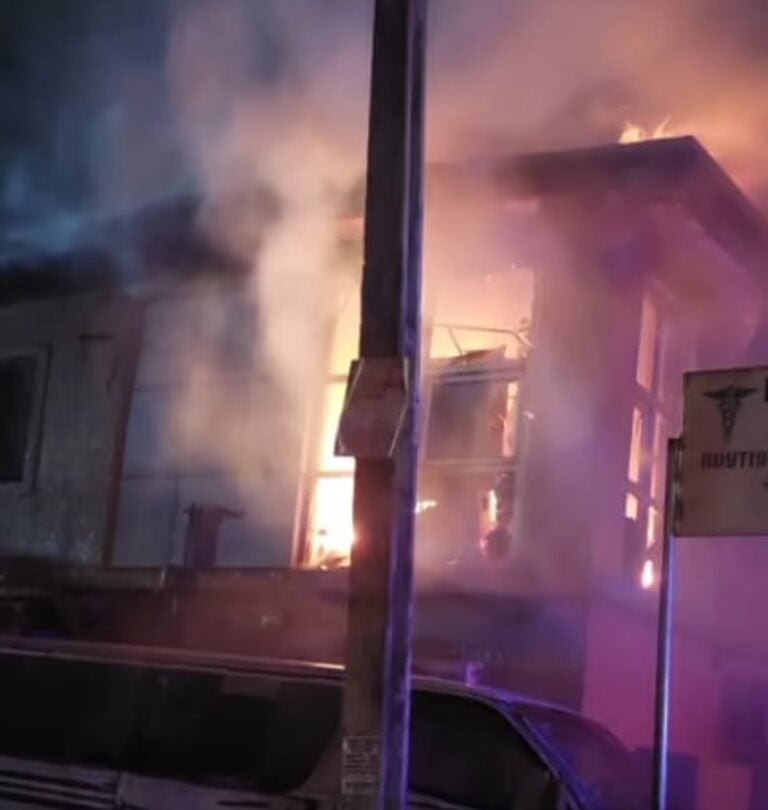



The recent land policy reforms introduced by the Federal Capital Territory (FCT) Minister, Nyesom Wike, have sparked conversations across Abuja and beyond. As the FCT moves toward stricter land regularization, reclamation of undeveloped plots, and revocation of non-compliant land titles, property owners and residents must take proactive steps to secure their investments and avoid legal or financial loss.
This write-up offers an in-depth look at what the policy entails, its implications for residents, and a step-by-step guide on how to safeguard your land or property in light of the changes.
Understanding Wike’s Land Policy
Wike’s land policy focuses on three major pillars:
1. Reclaiming Unused or Abandoned Plots:
The FCT administration is reviewing allocations, with a focus on revoking undeveloped plots that have remained idle for years, especially those acquired for speculative purposes.
2. Title Verification and Re-certification:
There is an ongoing process to verify Certificates of Occupancy (C of O) and other land titles. This is to ensure that properties are genuinely acquired and that there is no overlap or fraud.
3. Regulation of Informal Settlements and Illegal Structures:
Illegal structures and properties without proper land documentation are being earmarked for demolition or regularization, depending on the case.
Why This Matters to Residents
For many residents, land or property in Abuja represents a lifetime investment. However, ignorance or complacency can lead to:
– Revocation of property titles
– Demolition of buildings
– Legal disputes and financial loss
– Exclusion from government compensation in case of government development projects
What Residents Should Know and Do
1. Verify Land Documentation:
Ensure that your land or property has valid and up-to-date documentation. Visit the Abuja Geographic Information System (AGIS) office to verify or revalidate your land titles, especially if your plot has not been developed.
2. Commence Development or Apply for Extension:
If you own an undeveloped plot, consider starting development as soon as possible. Alternatively, apply formally for an extension of time to avoid revocation.
3. Avoid Buying from Informal Sources:
Many land scams occur through unregistered agents or community leaders selling land without government authorization. Always go through AGIS and request a land search before making a purchase.
4. Regularize Illegal Properties:
If you’re living in a property without proper land titles or building approval, explore the FCT’s regularization programs to bring your property into compliance with planning regulations.
5. Stay Informed and Engaged:
Follow news updates and engage with community associations. These groups often have direct communication with the FCT Administration and can advocate collectively when needed.
6. Seek Legal Advice When in Doubt:
Consult a property lawyer or land expert if you are unsure of your rights or obligations. Professional guidance can prevent costly mistakes.
Conclusion
While Wike’s land reforms aim to restore order, transparency, and fairness in land administration in the FCT, they also pose risks to uninformed or negligent property owners. Knowledge is your first line of defense. By taking timely action, staying compliant, and engaging with authorities when necessary, you can protect your property and secure your investment in Nigeria’s capital.
About the Author