



Tukur Yusufu Buratai, the former Nigerian Chief of Army Staff known for his controversial human rights record and suppression of protests, has voiced his concerns over the rising poverty rate in Nigeria.
Buratai characterized the economic challenges under President Bola Tinubu’s administration as radical, massive, and sudden.
He acknowledged that while poverty in the country has been steadily increasing over the years, the current situation has deteriorated much more rapidly and severely.
He remarked that unlike the gradual rise witnessed in previous administrations, the present hardship has escalated abruptly, bringing with it serious consequences.
Buratai shared these views during the 60th birthday celebration of former Rivers State Governor and former minister, Rotimi Amaechi.
Excerpt:
“My relationship with Amaechi dates back to 2011 when he was the governor and I was a brigade commander. I have seen in him a leader who thinks deeply. He breathes security, he eats security, sleeps security, and wakes up with security. During his tenure as governor, we all witnessed what happened and what transpired.
“He was the first person to invite me into the political terrain. At the time, I was in Benin, Cotonou. One evening, he called me and said, “Come and join my political campaign for the primaries.” And behold, I had no hesitation.”
“So, what happened during the primaries? He came second in the total votes. He scored 316, while President Bola Ahmed Tinubu scored 1271. The sitting Vice President came after him, and the sitting Senate President followed. He was number two, just behind Tinubu and ahead of others who are today numbers two and three in the current leadership model. What does that say?,” he said.
“It means he has a great political future. I foresee Amaechi playing a full role in the political leadership of this country. I believe his political journey has only just begun. Your Excellency, I say congratulations.”
“Secondly, these are my personal views. I’m not a member of Tinubu’s government, as you all know. But we played a prominent role in ensuring that he won the election.
Now, on the topic of Democracy and the Republic of Poverty, I want to take a historical perspective within the context of our country. This systemic issue has been largely influenced by international bodies such as the International Monetary Fund (IMF) and the World Bank. We saw this clearly during the era of Ibrahim Babangida, with the introduction of the Structural Adjustment Programme and belt-tightening policies. Foreign exchange deregulation also started during IBB’s regime.”
“It continued through the administration of Shagari, through Obasanjo’s presidency, Jonathan’s presidency, and, of course, Buhari’s presidency. Over time, we witnessed the gradual pauperisation of Nigerians. Poverty levels steadily increased.
“The difference with the current administration is that the impact came suddenly and massively, it was not gradual. Listen to me: it was not gradual like in previous administrations. But this radical shift has its own merits. It shows a deliberate change from the past.
“For too long, we’ve been suffering gradually, suffering and smiling. But this time, the hardship is more visible, more direct. It tells us that we must fix things because we cannot continue like this. Again, this is my personal opinion.”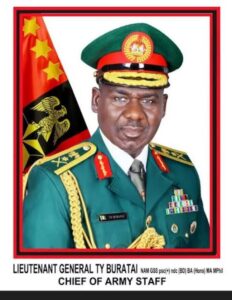
About the Author