
A new report by the Human Rights Measurement Initiative (HRMI) has revealed that Nigeria ranks among the worst countries globally for upholding basic human rights.
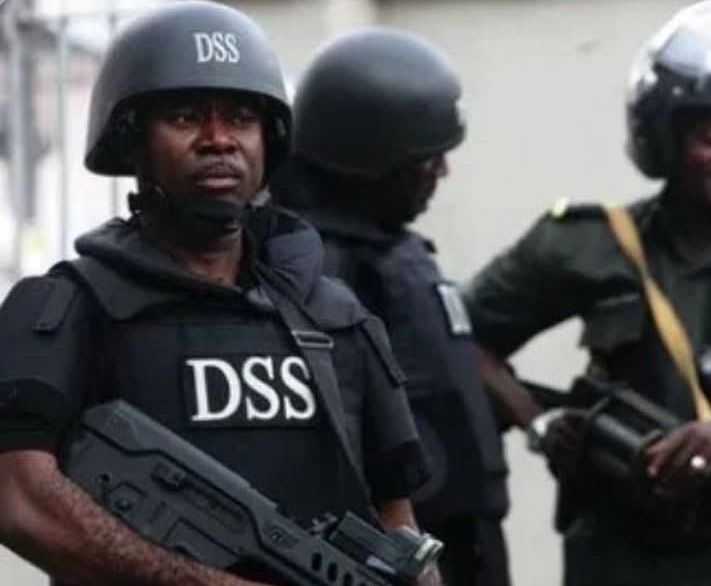
The nation scored especially poorly in the Safety from the State index, receiving just 3.2 out of 10, indicating widespread violations such as arbitrary arrests, torture, and extrajudicial killings.
Arbitrary arrest was the most alarming area, with a rating of only 2.5, placing Nigeria alongside countries like Mexico and Venezuela in terms of state violence and abuse.
Within Africa, Nigeria performed worse than most countries surveyed, ranking third-lowest out of eight. The report points to a pattern of targeted abuse against specific groups, particularly activists and protesters involved in movements like #EndSARS, End Bad Governance, Revolution Now, and #EndHunger.
Human rights experts contributing to the report described these groups as especially at risk of state repression.
HRMI’s Empowerment index, which evaluates freedoms such as speech, assembly, religion, and political participation, also exposed serious deficits. Nigeria scored just 4.5 out of 10, with all indicators except freedom of religion falling into the “bad” category. The report noted a persistent lack of progress in improving civil liberties under the current administration led by President Bola Tinubu.
In addition to civil and political rights concerns, the report criticized Nigeria’s failure to meet citizens’ basic needs. Under the Quality of Life indicators including access to housing, food, health, and work where the country scored in the “very bad” range across all areas.
Access to clean water stood at only 38.25 percent and sanitation at 46.6 percent, both far below international human rights standards and well behind the Sub-Saharan African average.
Excerpt:
“This Human rights advocates, people who protest or engage in non-violent political activity, Indigenous people, and workers’ rights advocates” were identified as being especially vulnerable to violations, HRMI said.
“This is the first time we have produced civil and political rights data for Nigeria, and it is already clear that the government in Abuja has a long way to go in protecting the basic rights of its people,” said Nkosi Sibanda, HRMI’s East and Southern Africa Lead.
“These scores reflect the lack of progress being made,” the HRMI release said.
“In many parts of Nigeria, particularly in urban centres, the cost of rent has skyrocketed, in some cases increasing by more than 100 percent,” said Kehinde Adegboyega, HRMI’s Nigeria Ambassador and Executive Director of the Human Rights Journalists Network Nigeria.
“Meanwhile, wages have remained stagnant, creating a severe affordability crisis. This growing disparity is having a profound impact on the quality of life, as many individuals and families are forced to deplete their savings just to cover rent,” Adegboyega added.
“Some have had to relocate to smaller, less comfortable accommodations and are even considering selling personal belongings to adjust to their reduced living space. The Nigerian government must go beyond rhetoric and take meaningful, sustained action to address the housing crisis. Ensuring access to affordable housing is not just a matter of economic policy, it is a basic human right and a critical component of national development.”
“Our scores show that Nigeria has all the resources it needs to make very significant improvements in people’s lives,” Rowden said.
“The government needs to keep its human rights promises to devote the maximum available resources towards everyday rights like food, education, and healthcare. Much more can be achieved, right now.”
About the Author