


By The Peoples’ Insight
Nigeria’s electricity sector is facing a major crisis as power generation companies (Gencos) struggle under the weight of a staggering N4.7 trillion debt owed by the Federal Government. This growing financial burden has sparked fears of a nationwide blackout, as Gencos find it increasingly difficult to sustain operations due to liquidity challenges.
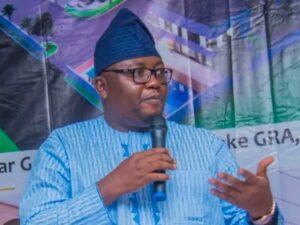
The Minister of Power, Adebayo Adelabu, has, however, assured Nigerians that the government is making concerted efforts to resolve the situation and prevent the collapse of the power supply system. “We are always intervening. I can assure you that no power plant will shut down; nothing like that will happen because of the effect of that on the economy,” Adelabu stated. He further emphasized that the government remains committed to settling outstanding debts to all players within the electricity value chain, including power generation companies and gas suppliers.
Gencos Struggle Amidst Mounting Debt
The power generation companies are facing immense financial pressure, as the debt has made it difficult to procure gas, maintain turbines, and pay staff salaries. According to the Chief Executive Officer of the Association of Power Generation Companies, Dr. Joy Ogaji, Gencos are currently in dire straits and require urgent and pragmatic solutions to alleviate their liquidity crisis.
“The debt burden is suffocating power producers, making it nearly impossible to run operations efficiently,” Ogaji lamented. “Without immediate financial intervention, sustaining power generation at optimal levels will be a monumental challenge.”
Unpaid Bills from Government Agencies Worsen the Crisis
A major factor exacerbating the crisis is the failure of key consumers—especially government agencies—to settle their electricity bills. The Executive Director of the Association of Nigerian Electricity Distributors, Sunday Oduntan, pointed out that various government institutions, including the military, are among the largest defaulters. For instance, the Nigerian Air Force alone owes over N4 billion in unpaid electricity bills.
“The refusal of government agencies to pay their outstanding electricity bills has had a crippling effect on the entire electricity value chain,” Oduntan stated. “This situation puts an enormous strain on distribution and generation companies, making it harder to sustain power supply.”
Breakdown of FG’s N4.7 Trillion Debt
Minister Adelabu previously disclosed that the Federal Government’s total debt to electricity generation and distribution companies has surpassed N4 trillion. The breakdown of the debt includes:
– N2 trillion classified as legacy debt owed to Gencos from past administrations.
– N1.9 trillion incurred as part of the electricity subsidy for 2024.
Adelabu noted that the government’s continued funding of electricity subsidies at this scale is unsustainable. “How do you expect the Gencos to perform optimally? How do you expect them to pay for gas, services, maintain their turbines, and other infrastructure, as well as pay their staff, if a total of N4 trillion is being owed to them?” he queried.
Government’s Next Steps
The Minister of Power has assured stakeholders that the Federal Government is exploring multiple avenues to ease the financial crisis in the power sector. Potential solutions include:
- Gradual repayment of outstanding debts** to ensure Gencos remain operational.
- Reviewing the electricity subsidy model** to reduce financial strain on the government.
- Strengthening revenue collection mechanisms** to address issues of non-payment, particularly among government agencies.
While these measures may offer some relief, experts warn that without urgent and decisive action, Nigeria’s electricity sector could face an unprecedented collapse. A nationwide blackout would not only cripple businesses and households but would also severely impact economic activities across the country.
For now, Nigerians remain on edge, hoping that the government will deliver on its promises and prevent the looming power crisis from escalating further.
About the Author