
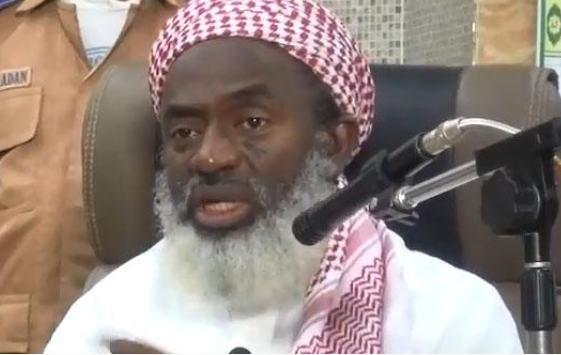
Former Labour Party vice-presidential candidate, Yusuf Datti Baba-Ahmed, has offered a measured but critical assessment of the proposed alliance between Peter Obi and Rabiu Kwankwaso, warning that while the idea holds merit, its execution could determine its success or failure ahead of the 2027 elections.
Speaking during a recent press briefing captured and posted online, Datti disclosed that he had earlier encouraged Obi to open discussions with key northern political figures, including Kwankwaso, as part of a broader strategy to strengthen opposition chances.
“I told him… there is Kwankwaso… I would like to suggest you approach them,” he said, adding that the current alignment reflects conversations he initiated.
However, Datti cautioned that political alliances in Nigeria require more than goodwill, stressing that voter expectations, regional loyalty, and personal ambition must be carefully managed.
“Will it work? I think it’s a big question. We wait and see,” he noted, signalling uncertainty around the durability of the arrangement.
He pointed to Kwankwaso’s strong political base, particularly in Kano, and questioned how supporters would interpret a possible subordinate role for a figure widely seen as a long-standing presidential contender.
“How will Kano think that their champion… will now go and serve as deputy?” he asked, highlighting a potential source of resistance within the northern bloc.
Datti also warned against informal power-sharing assumptions, such as future succession arrangements, saying such expectations often weaken trust in joint tickets.
“That doesn’t play out well in any political contest,” he said, urging clarity and transparency in any coalition agreement.
Beyond the alliance itself, Datti emphasised the need for firm and consistent leadership, arguing that political credibility is built on the ability to confront challenges directly, especially within party structures.
“A leader must be firm… if you’re not ready to fight… this is not your game,” he stated, referencing the realities of Nigeria’s competitive political environment.
He maintained that resolving internal disputes, particularly within the Labour Party, should remain a priority, rather than abandoning structures in search of new alignments.
“These are things that don’t add up,” he said, calling for a more deliberate and structured approach to coalition-building.
About the Author