
Tricycle operators in Kano, Kaduna and Jigawa states spend an average N2.5m to N3m annually on fuel, according to findings of a study on electric mobility in Northern Nigeria’s informal transport sector.
The findings were presented at a stakeholder engagement in Abuja on Thursday, where experts, regulators and transport sector stakeholders examined opportunities and challenges associated with the adoption of electric tricycles.
Presenting the report, the Chief Executive Officer of Carbon Assets, Mukhtar Abdulhameed, said operators spend between N211,000 and N250,000 monthly on fuel, translating to annual fuel costs of between N2.5 million and N3 million per tricycle.
He said the study, conducted across Kano, Kaduna and Jigawa states, assessed fleet characteristics, operator economics, fuel consumption patterns, infrastructure needs and stakeholder perceptions regarding electric mobility.
Abdulhameed noted that about 165,000 tricycles operate across the three states and account for significant fuel consumption and emissions.
He added that operators in Kano spend an average of about N9,000 daily on fuel, while their counterparts in Kaduna and Jigawa spend more than N8,000 daily.
According to him, the study also found strong interest among operators in electric mobility, with between 94 and 98 per cent of respondents indicating willingness to adopt the technology.
He explained that concerns raised by operators centred on battery durability, charging infrastructure, affordability and access to financing.
Speaking at the event, the Private Sector Adviser and Economic Growth Lead of the Partnership for Agile Governance and Climate Engagement (PACE), Abosede Paul-Obameso, said rising fuel costs were affecting the livelihoods of transport operators.
She said findings from the study showed that operators using electric tricycles could earn up to N15,000 daily, compared to about N8,000 earned by operators relying on fossil fuels.
“If you look at some of the numbers that were talked about today, we see a stark difference where someone who is using the tricycles could go home with as high as N15,000 compared to N8,000 per day for another counterpart who is using fossil fuels,” she said.
Paul-Obameso added that operators using battery swapping systems spend about N4,000 daily compared to around N15,000 spent on fuel by some petrol-powered tricycle operators.
She noted that volatility in global fuel markets had increased pressure on transport operators and strengthened the case for alternative energy sources.
Earlier, the Executive Director of the Centre for Fiscal Transparency and Public Integrity, Dr. Umar Yakubu, said the transition to electric mobility would require clear regulations, institutional coordination and access to finance.
“We must move from ad-hoc pilot projects to a standardised, legal, secure environment that gives local and international markets the confidence to scale up,” he said.
Also speaking, the Director of Climate Change at the Kano State Ministry of Water Resources, Environment and Climate Change, Umar Saleh Anka, said the initiative could create employment opportunities while supporting efforts to reduce emissions from the transport sector.
“When you convert this tricycle to a more sustainable and environmentally friendly tricycle, then you create more opportunities for the youth to engage in green business,” he said.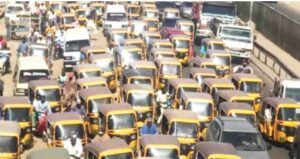
About the Author