The Presidency has accused former Vice-President Atiku Abubakar of confusion and political opportunism over his position on petrol subsidy, asking Nigerians which version of his policy they should believe after three different explanations emerged within one week.
The latest criticism came in a statement issued on Wednesday by Bayo Onanuga, Special Adviser to President Bola Tinubu on Information and Strategy.
According to Onanuga, Atiku’s spokesperson, Paul Ibe, initially said the former vice-president would restore petrol subsidy if elected president and later phase it out as a temporary measure to ease economic hardship.
However, another senior aide to Atiku, Phrank Shaibu, reportedly rejected that explanation, describing it as an “unauthorised and misleading characterisation” of Atiku’s position.
Shaibu instead said Atiku would not set a fixed deadline for ending the subsidy, arguing that it should remain until domestic refining capacity improves, fuel supply stabilises, competition deepens and market conditions can deliver affordable petrol without government support.
Atiku later intervened and reaffirmed that his position had not changed, promising to restore what he called a “targeted subsidy” if elected.
“I will restore targeted subsidy and put purchasing power back in the hands of Nigerians,” Onanuga quoted Atiku as saying.
The presidential aide questioned why Atiku’s senior aides appeared to be giving conflicting explanations of the policy.
“If Atiku’s position has not changed, why did one of his principal aides say the subsidy would be temporary and phased out?” Onanuga asked.
He challenged Atiku to explain precisely what his proposed targeted subsidy would entail, including its cost, beneficiaries, funding source and the conditions that would determine when it should end.
Onanuga also argued that petrol prices are influenced by factors beyond subsidy, including international crude oil prices, exchange rates, refining costs, transportation and distribution.
He further rejected the suggestion that petrol prices alone are responsible for Nigeria’s food inflation, pointing to insecurity, agricultural productivity, logistics, storage, flooding, input costs and other supply-side pressures.
The Presidency also questioned Atiku’s understanding of the economics of crude oil refining, asking whether his proposed subsidy would cover other petroleum products produced from a barrel of crude, such as diesel, aviation fuel, kerosene and petrochemical feedstocks.
Onanuga warned that Nigerians could not afford another costly and opaque subsidy regime “disguised under a new name.”
He further claimed that Atiku was displaying “a lack of basic understanding” of his newly proposed petrol subsidy policy.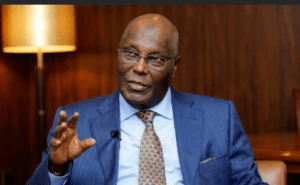
About the Author