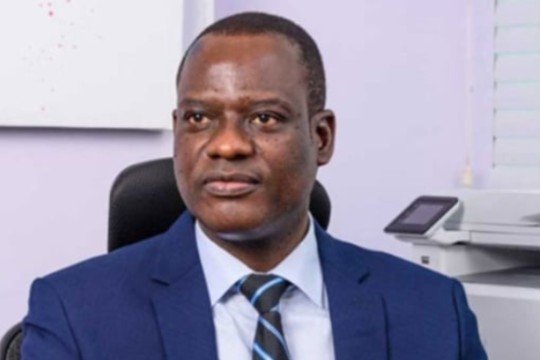
Nigeria must complete a 42-day monitoring period before it can be officially declared free of Ebola, the World Health Organisation (WHO) has said, despite the evacuation of the confirmed patient to Switzerland.
The Executive Director of WHO’s Health Emergencies Programme, Dr Chikwe Ihekweazu, said the country must continue monitoring individuals who had contact with the patient to ensure that no further transmission occurs.
Speaking during an interview with ARISE NEWS on Wednesday, Ihekweazu explained that the established protocol requires close monitoring of exposed individuals for 21 days, followed by an additional 21-day period before Nigeria can be declared Ebola-free.
He said the monitoring process was essential to detecting possible infections early and preventing further spread of the disease.
The WHO official’s remarks came after the evacuation of the infected woman and her husband to Switzerland, following the patient’s stabilisation by Nigerian medical personnel.
Earlier, WHO Regional Director for Africa, Mohamed Janabi, announced that Nigeria had no active Ebola cases following the evacuation.
Janabi, however, stressed that surveillance and contact tracing would continue, with Nigerian health authorities monitoring contacts who remained in the country while Swiss authorities assumed responsibility for the patient’s husband.
Ihekweazu clarified that the evacuation was carried out at the request of the patient’s country of origin and did not indicate any lack of capacity by Nigeria to manage Ebola cases.
He commended Nigerian health workers for their handling of the case, particularly the speed of laboratory confirmation, genetic sequencing and clinical management.
According to him, the country implemented the recommended response measures in line with established international protocols.
Ihekweazu explained that Ebola belongs to a group of infections known as viral haemorrhagic fevers, which require coordinated public health action whenever a case is confirmed.
He said every confirmed case of such diseases is treated as an outbreak requiring immediate investigation, surveillance and other containment measures.
Addressing concerns about political rallies and other public gatherings, the WHO official said the organisation had not recommended additional restrictions.
He stressed that its recommendations were based on technical and public health assessments rather than political considerations.
Ihekweazu urged Nigerians to cooperate with health authorities and trust the agencies managing the response, noting that daily monitoring of identified contacts remained critical.
He added that the priority was to prevent further transmission, identify any new infection promptly and ensure an effective response if additional cases emerged.
Nigeria confirmed its first case of Ebola disease in the current incident on October 20, 2026, involving a woman with a recent travel history from Uganda.
The case prompted the activation of emergency response measures, including laboratory testing, contact tracing and surveillance, as health authorities worked to prevent further spread of the virus.
About the Author