

Nigeria has secured a seat on the United Nations Human Rights Council (UNHRC) for the 2027–2029 term after receiving 172 votes in an election conducted by the United Nations General Assembly.
The election took place on Tuesday, October 13, with Nigeria emerging among 15 countries selected to serve on the 47-member intergovernmental body responsible for promoting and protecting human rights worldwide.
Nigeria will begin its three-year membership on January 1, 2027, and remain on the council until December 31, 2029.
The country secured 172 out of 181 valid votes cast by member states, earning one of the four seats allocated to African countries in the election.
Other African countries elected alongside Nigeria were Zambia, which received 177 votes; Ghana, with 173 votes; and Burundi, which secured 160 votes.
The other countries elected for the 2027–2029 term are Brazil, the Dominican Republic, Germany, Ireland, Japan, Jordan, Kuwait, Nepal, the Republic of Moldova, Ukraine and Uruguay.
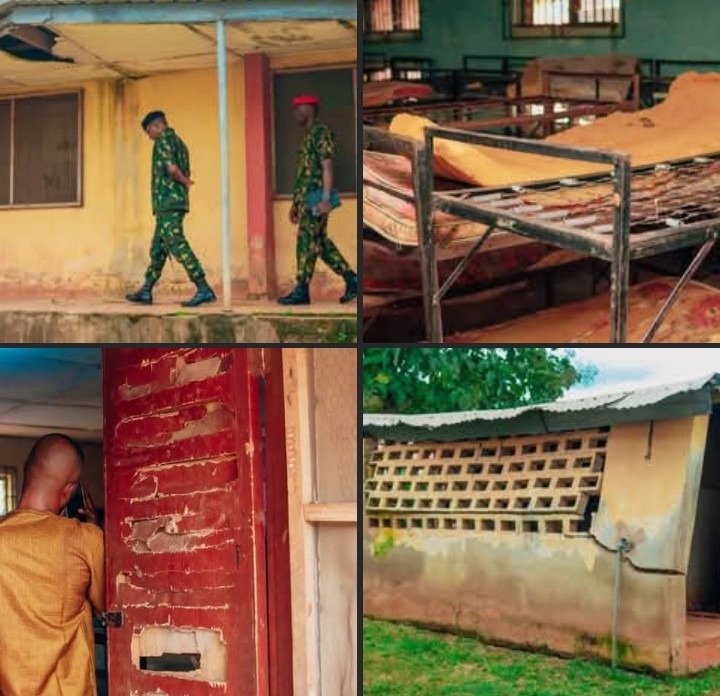
Nigeria announced its candidacy for the council in February, pledging to cooperate fully with its mechanisms, support safe schools and invest in secure learning environments to protect children amid security threats.
The country’s election comes with the responsibility to uphold high standards in the promotion and protection of human rights, including respect for fundamental freedoms, justice and human dignity.
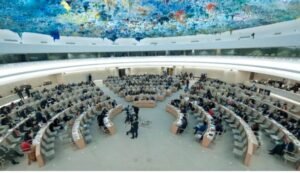
Established in 2006 by the United Nations General Assembly, the Human Rights Council addresses human rights violations, examines situations requiring international attention and makes recommendations to improve human rights protection across the world.
The council has 47 member states elected through a direct and secret ballot by the General Assembly, with seats distributed among five regional groups to ensure geographical representation.
Nigeria’s previous membership of the council ended in 2020, following its election for the 2018–2020 term.
The new membership provides Nigeria with another opportunity to participate in international discussions and decisions on human rights issues, while placing renewed responsibility on the country to demonstrate its commitment to protecting fundamental rights.
About the Author
