

The South African government has withdrawn a directive on processing asylum applications following violent anti-immigrant protests in Johannesburg and Durban that left vehicles torched and foreign-owned businesses looted.
The Department of Home Affairs announced the decision on Friday, October 9, citing serious operational challenges, threats to the safety of its officials and growing concerns over public safety and order.
The directive, issued on September 28, was intended to facilitate the implementation of a Constitutional Court ruling that removed certain procedural barriers preventing asylum seekers from having their applications considered.
However, the implementation triggered a surge in applications, overwhelming refugee reception offices within days and intensifying existing tensions over immigration.
Violence erupted on Thursday in Soweto, Johannesburg, and Durban following protests organised by groups opposed to illegal immigration.
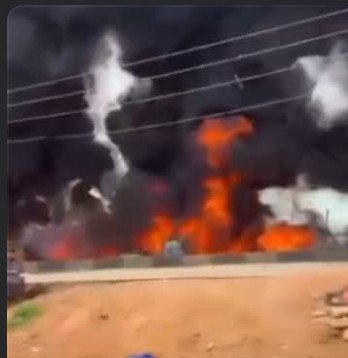
In Durban, at least 14 vehicles were reportedly set ablaze, while a municipal building was set on fire. Police also arrested three foreign nationals over the alleged assault of a South African protester.
In Soweto, at least 10 vehicles were torched, while small convenience stores, including foreign-owned businesses, were looted.
The Home Affairs Department said the directive had produced serious consequences that were not anticipated when the measure was introduced. It added that officials had been placed at risk and that threats to public safety had emerged.
The department said it would begin a fresh process to determine a more appropriate and sustainable approach to implementing the court’s ruling.
The withdrawal does not overturn the Constitutional Court’s judgment, which requires asylum applications to be considered without automatically excluding applicants on certain procedural grounds. It also does not grant undocumented migrants automatic refugee status or legal residency.
South Africa, one of Africa’s largest economies, has long attracted migrants from across the continent but has experienced recurring outbreaks of xenophobic violence over the past two decades.
Anti-immigrant sentiment has been fuelled partly by complaints about unemployment, competition for jobs and access to limited public resources. However, claims that foreign nationals are responsible for these problems are often disputed.
Tensions have intensified ahead of South Africa’s local government elections scheduled for November 4, with unemployment remaining a major concern.
Earlier outbreaks of violence this year also prompted foreign nationals, including citizens of Zimbabwe, Malawi, Ghana, Kenya, Lesotho, Mozambique, Nigeria and Uganda, to leave the country, heightening diplomatic tensions between South Africa and other African nations.

About the Author
