





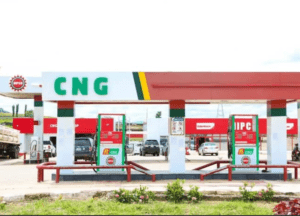
The Federal Government is set to receive the first batch of 500 Compressed Natural Gas stations by the end of October as part of efforts to expand CNG infrastructure and reduce transportation costs across Nigeria.
Executive Chairman of the Presidential Compressed Natural Gas Initiative, Ismael Ahmed, disclosed this on Saturday, saying another 500 stations would subsequently be ordered, bringing the total number being procured to 1,000.
The development follows President Bola Tinubu’s directive for an additional 500 CNG refuelling stations nationwide, alongside 500 stations previously ordered by the Midstream and Downstream Gas Infrastructure Fund.
Ahmed explained that the first batch had already been ordered, but deployment would require construction, transportation, installation and connection before the stations become operational.
He said the government would prioritise areas with high demand for CNG, adding that locations were being assessed based on factors such as the number of vehicles and traffic.
“It is not a political decision; it is an economic decision,” Ahmed said, stressing that stations would be deployed where there was sufficient demand.
He listed Lagos, Kano, Abuja, Port Harcourt, Zamfara, Borno, Enugu, Anambra and Lafia among the locations being assessed.
Ahmed also disclosed that Abuja currently has 26 operational gas stations, the highest number in the country, but identified the availability of suitable land as a major challenge to establishing more stations in the Federal Capital Territory.
According to him, gas is available across the country, but more CNG stations are needed to improve accessibility.
The Federal Government has been expanding CNG infrastructure as part of its broader effort to provide an alternative to petrol and reduce transportation costs. President Tinubu had said vehicles running on CNG could spend 60 to 80 per cent less on fuel than petrol-powered vehicles.
The government has also invested in conversion centres and refuelling infrastructure to encourage more motorists to adopt CNG.
The first batch of the new stations is expected to arrive by the end of October, after which deployment and installation will begin in locations identified as having significant demand.
About the Author