


Senator Adams Oshiomhole has described as “another lie” claims that former Anambra State Governor Peter Obi did not seek loan approvals during his eight-year administration, escalating the controversy over the state’s finances and the former governor’s record.
Oshiomhole, who represents Edo North Senatorial District and is a former governor of Edo State, made the remarks during an interview with Symfoni TV published on Thursday.
The former national chairman of the All Progressives Congress also questioned Obi’s claim that he saved about $150 million while governing Anambra State, asking how the funds were accumulated when state governments received their federal allocations in naira.
He recalled that he and Obi were members of the National Economic Council, chaired by the vice-president, when state governors sought to receive their allocations in dollars because of the disparity between official and market exchange rates.
According to Oshiomhole, the Federal Government rejected the proposal, insisting that the naira was Nigeria’s recognised currency.
He subsequently challenged Obi to explain how he converted the state’s allocations into dollars and accumulated the savings.
“Where did you get dollars to save? Did you receive naira from Abuja and go to bid for dollars to save for Anambra State?” Oshiomhole asked.
The senator also disputed Obi’s assertion that he did not borrow money during his tenure, arguing that loans obtained through World Bank facilities remain debts even when repayment is deferred.
Oshiomhole said he accessed similar facilities while governing Edo State, including arrangements described as budget support.
“If you are not paying it immediately, it’s not a loan? It’s in the books, and a future government will necessarily pay it anyway,” he said.
He explained that repayment moratoriums could allow an outgoing governor to leave office before loan repayments become due, leaving the responsibility to a successor administration.
Oshiomhole suggested that this was the issue Anambra State Governor Chukwuma Soludo had sought to clarify while discussing Obi’s financial record.
The senator further referred to a reception reportedly organised by the director-general of the Debt Management Office to recognise Obi for allegedly not seeking approval for loans during his tenure.
He dismissed the claim as “another lie”, although the interview excerpt did not provide additional evidence to substantiate his allegation.
Obi, who governed Anambra State from 2006 to 2014, has maintained that he left the state in a sound financial position and did not leave it burdened with the debts being attributed to his administration.
The former governor has also defended his claim that he left about $150 million in savings and investments, insisting that his administration managed public funds responsibly.
However, the Anambra State Government has disputed his account. The state’s Commissioner for Information and Value Reorientation, Law Mefor, previously claimed that Obi left external debt liabilities of $123.77 million at the end of his administration.
The disagreement has centred on the nature of the financing obtained during Obi’s tenure, the outstanding obligations inherited by subsequent administrations and the former governor’s claim that he left substantial savings behind.
While Oshiomhole has questioned the credibility of Obi’s financial claims, Obi has continued to defend his record, making the state’s finances a subject of renewed political debate.
The controversy has also renewed attention on public borrowing, transparency in government spending and the financial obligations inherited by successive administrations.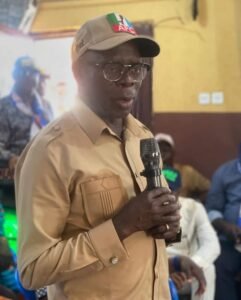
About the Author
